A Guide To Cha Cha Cha
Cha Cha Chá is a Cuban dance and music genre that emerged in the early 1950s, created by violinist and composer Enrique Jorrín. It developed from the danzón-mambo style and is known for its light, playful character and clearly defined rhythmic pattern. The name “Cha Cha Chá” comes from the sound of dancers’ feet shuffling across the floor in a triple step pattern.
Musically, Cha Cha Chá features a steady, medium tempo, a strong clave-based rhythm, syncopated melodies, and elegant orchestration often led by flute and violins in a charanga ensemble. Unlike faster Cuban genres, it is more relaxed and structured, making it easy to dance to while still maintaining vibrant Latin rhythmic energy.
Learning The Cha Cha Cha Style
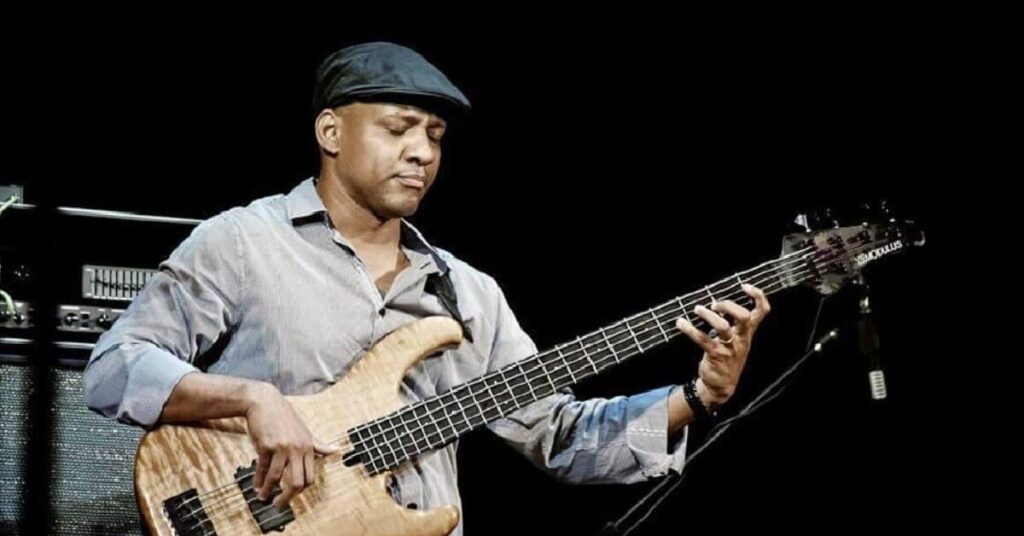
Reuben Ramos demonstrates the classic cha-cha-cha bass line and its relationship to the bajo anticipado, or anticipated bass.
Cha Cha Cha With The Rhythm Section
The bass line is now placed in context with piano and congas over a simple two-chord progression in G major.
Artist Profile: Enrique Jorrín
1926–1987 · Violinist, Composer, Bandleader · Candelaria, Cuba
Enrique Jorrín (1926–1987) was a Cuban violinist, composer, and bandleader best known as the creator of the cha-cha-chá, a dance style derived from danzón that became internationally popular. Born in Candelaria, Pinar del Río, he moved to Havana as a child and studied violin at the Municipal Conservatory. He began his career with Cuba’s National Institute of Music and later joined ensembles such as Hermanos Contreras and Antonio Arcaño y sus Maravillas, where he developed his interest in popular music.
In the early 1950s, while playing with Ninón Mondéjar’s Orquesta América, Jorrín introduced the cha-cha-chá, which quickly spread across dance halls. He lived in Mexico from 1954 to 1958, toured Africa and Europe in the 1960s, and recorded extensively with EGREM. In 1974, he formed a new charanga orchestra featuring Tito Gómez and Rubén González, which continued performing his works even after his death. Among his notable compositions are La engañadora, El alardoso, and Nada para ti. Jorrín’s legacy remains central to Cuban music, as he is celebrated for shaping one of the most enduring Latin dance genres.
Source: Wikipedia · CC BY-SA · Read more
A More Detailed Look At The Rhythms
Here the bongo, guiro, maracas, conga, and timbales are heard together playing the cha-cha-cha rhythm. Use the control bar to switch between the full mix and individual instruments to isolate and focus on each part.
Suggested Listening
Cuba’s music is a treasure trove of history, culture, and soul. Each genre tells its own story, shaped by the people and places that brought it to life. From the elegance of Danzón to the fiery energy of Salsa, Cuban music is a journey worth taking. This playlist has been specially curated to accompany the course, offering students a deeper understanding of the rhythms, bass lines, and traditions that define Cuban music.
Listen to the full playlist:
Cha Cha Cha - Backing Track
Now it's time to jam.
On the bottom right of the control bar click:
More Settings > Instruments > Multitrack Stems
Then you can mute or change the volume of any instrument